 泰互帮
泰互帮Living Through Thailand's Rainy Season: The Months, Flooding, Getting Around, Damp-Proofing and Driving
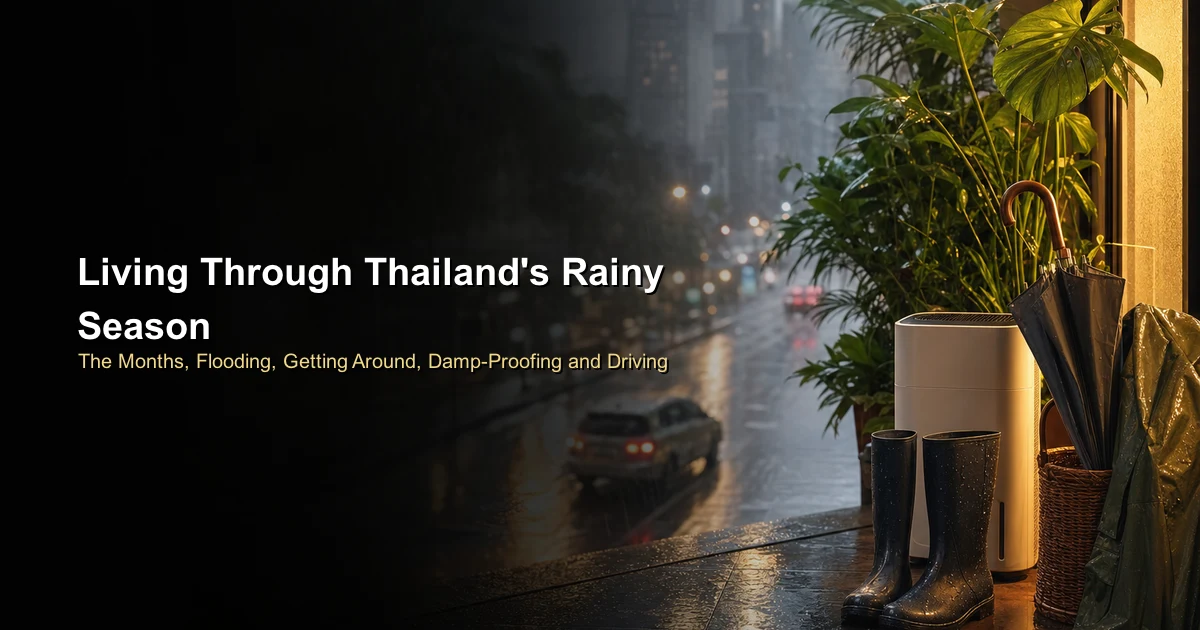
Which Months, and What's the Pattern?
- Roughly May to October: driven by the southwest monsoon, most of Thailand's rainy season runs about May to October, with Bangkok and the central plains usually heaviest in September and October
- North–south differences: the southern Andaman side (Phuket, Krabi) starts earlier and lasts longer, while the Gulf side (Samui) peaks later — check your destination's weather before travelling
- Not all-day rain: typically one sharp downpour from afternoon to evening, coming and going fast, with mornings often clear or cloudy
- Short intense rain: the issue isn't duration but a lot falling within an hour, quickly flooding low-lying roads
Getting Around on Flood Days
- Avoid the downpour peak: afternoon to evening stacks heavy rain with traffic — travel off-peak, and check the radar and forecast before heading out
- Prefer elevated rail: the BTS Skytrain and MRT metro aren't affected by street flooding — more reliable than taxis in downpours and the top rainy-season choice
- Taxis get pricey and slow: at the downpour peak, ride-hailing surges and jams badly — use an app and check the estimate, see the ride and delivery apps guide
- Avoid known flood roads: some low-lying Bangkok roads flood with every downpour — learn them and detour, favouring elevated routes
- Leave a buffer: for flights and key meetings, set off early — both flights and ground transport can be delayed in downpours
- Kit: carry a folding umbrella, waterproof phone pouch and spare shoes/socks, and waterproof important documents and devices in your bag
Damp-Proofing at Home
- High humidity brings mould: indoor humidity is high in the rainy season, and wardrobes, leather goods, wall corners and bathrooms mould easily — leather shoes and bags especially
- Use dehumidification: a dehumidifier or the AC's dry mode, and desiccants/moisture boxes in wardrobes; store leather goods separately and air them regularly
- Ventilate often: open windows when it's not raining and run the bathroom exhaust after use to cut moisture build-up
- Protect appliances: keep valuable electronics off exterior walls and away from water near sockets — for utilities and power costs see the utilities and living cost guide
- Drying laundry: with slow air-drying, use a dryer or a dehumidified room — don't pile damp clothes for long or they mould and smell
Driving and Riding Safety in the Rain
- Slow down, widen the gap: downpours cut visibility and slicken roads — slow down, keep distance and use lights for visibility
- Stay away from standing water: don't push through water of unknown depth — stalling in water can damage the engine and improper wading may affect an insurance claim, see the car insurance guide
- Motorbikes need extra care: road oil plus rain is very slippery and hard braking causes falls — in heavy rain, pull over and wait it out
- Watch the weather for road trips: rainy-season mountain roads and island ferries are weather-dependent — mind self-drive conditions in the car rental and self-drive guide
- Follow the process for accidents: accidents rise in the rain — see what to do after a traffic accident
Rainy-Season Travel and Health Reminders
- Islands: check safety: some islands have big swells and low visibility in the rainy season — check whether snorkelling and boat trips are officially cleared, and don't risk it
- Keep the itinerary flexible: have rain-day alternatives for outdoor spots — for ideas see weekend trips around Bangkok
- Guard against mosquitoes: standing water breeds mosquitoes and dengue and other mosquito-borne illness peak — for prevention see the dengue and rainy-season illness guide
- Mind holidays and weather: the rainy season has public holidays too — avoid them for errands, see the Thailand holidays calendar
Frequently Asked Questions
Which months is Thailand's rainy season, and will it rain non-stop?
Thailand's rainy season runs roughly May to October, with Bangkok and the central plains usually heaviest in September and October, and the southern Andaman side (Phuket, Krabi) starting earlier and lasting longer. But rainy season doesn't mean all-day rain — typically one sharp downpour from afternoon to evening, coming and going fast, with mornings and nights often clear or cloudy, so you can still plan around it. The real trouble is short intense rain causing flooded low-lying roads, traffic jams and flight delays. So rainy-season travel is entirely doable if you schedule outdoor activities for mornings, avoid the afternoon downpour peak, and pack rain gear and a flexible itinerary, checking your destination's forecast first. For islands, watch the day's swell and whether trips are officially cleared.
What's the most reliable way to get around Bangkok on a flooded downpour day?
First choice is the BTS Skytrain and MRT metro — elevated and underground rail unaffected by street flooding, on time and jam-free in downpours, the steadiest rainy-season option. Ride-hailing (Grab, Bolt) surges and jams badly at the downpour peak, so wait for the rain to ease or avoid the afternoon-to-evening peak, and check the estimate when booking (see the ride and delivery apps guide). If driving, avoid known flood roads and stay clear of water of unknown depth. Whatever the mode, leave a buffer in downpours — set off early for flights and key meetings, as ground transport and flights can be delayed. Carrying an umbrella, a waterproof phone pouch and spare shoes and socks saves a lot of misery.
How do I damp-proof against mould in the rainy season, and what should I watch at home?
Indoor humidity is high, so wardrobes, leather goods, wall corners and bathrooms mould most easily — leather shoes, bags and sofas especially. Practical steps: first, actively dehumidify with a dehumidifier or the AC's dry mode, and put desiccants or moisture boxes in wardrobes and shoe cabinets; second, ventilate often — open windows when it's not raining and run the bathroom exhaust after use; third, store leather goods separately and air and wipe them regularly, not stuffed in sealed damp corners; fourth, dry laundry promptly and don't pile damp clothes; fifth, keep electronics off exterior walls and away from water. These greatly reduce mould and damage — for home power and costs see the utilities and living cost guide.
What should I watch when driving or riding a motorbike in the rain?
The core is slow and avoid water. When driving, slow down, widen the gap and use lights — downpours cut visibility and slicken roads, and hard braking or steering can cause loss of control; don't push through water of unknown depth, as stalling can damage the engine and improper wading may affect an insurance claim (see the car insurance guide). Riding a motorbike is especially dangerous — road oil plus rain is very slippery and hard braking causes falls, so in heavy rain pull over and wait, and always wear a helmet. Watch the weather for road trips, as rainy-season mountain roads are slick and island ferries may be suspended (see the car rental and self-drive guide). If there's an accident, follow the traffic accident guide. In short, on wet roads safety always beats saving time.
Need Help?
Taihubang provides settling-in information for Chinese speakers in Thailand: rainy-season questions like choosing a floor and damp-proofing when renting, driving and insurance, and getting around — submit an enquiry to understand the approach, and swap flood-area notes and rainy-season tips with locals in the community Q&A, with weather and road conditions per local meteorological and official information.
Related Articles
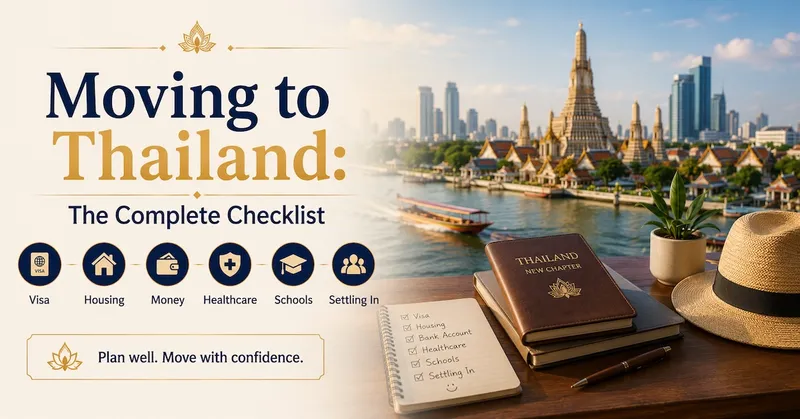
Moving to Thailand: The Complete Checklist — Visa, Housing, Money, Healthcare, Schools & Settling In
Planning to move to Thailand feels overwhelming, but it breaks down into a clear timeline: decide how you'll stay long-term (visa), which city and district to live in (housing), how to bring and spend money (finances), how to handle healthcare and insurance (medical), how children will attend school (education), and the pile of on-the-ground tasks after arrival — SIM, broadband, utilities, driving licence, transport and community (settling in). This is a master checklist and roadmap for moving to Thailand, organised into three stages — before you go, the first month, and once settled — linking each step to the detailed guide that expands on it, so you build your life without missing anything. Specific rules follow current agency regulations; consult on professional matters.
7/24/2026

How Much Does It Cost to Live in Thailand per Month? Bangkok, Chiang Mai & Pattaya Cost Comparison
There's no single answer to how much a month in Thailand costs — it depends mainly on the city, housing tier and lifestyle. The biggest item is rent (central Bangkok condos are priciest; Chiang Mai and Pattaya are cheaper), followed by food (street food is very cheap, while restaurants and imported groceries push it up sharply), transport (BTS/MRT and taxis in Bangkok, motorbikes elsewhere), utilities, health insurance, and visa and sundries. Roughly three tiers: frugal (local food, a small unit outside the core), comfortable (a one-bed in a decent area, eating out often with occasional leisure), and generous (a good unit in the core, restaurants often, a helper, insurance). This guide breaks down each cost by city and spending tier to help you estimate your monthly budget; actual figures fluctuate with exchange rates, location and personal habits.
7/24/2026

Postpartum Care & Confinement Centres in Thailand: Services, Prices, Visas & How to Choose
More Chinese families in and heading to Thailand are choosing postpartum confinement care there. Thai confinement centres typically offer postpartum lodging, confinement meals, mother-and-baby care, lactation support and postnatal recovery, with the environment and care experience as the main selling points. Choosing one comes down to four things: credentials and hygiene (properly registered, professional carers), services (carer ratio, meals, infant care, medical links), price and packages (per day/per package, whether care and meals are included), and location and hospital links (distance to the delivery/paediatric hospital and whether emergencies can reach care quickly). If you're travelling to give birth, also plan the visa, delivery hospital, birth registration and the baby's documents in advance. This guide covers services and pricing, how to choose, and how it connects with delivery and visas, subject to the centre's actual conditions and agency rules.
7/24/2026